
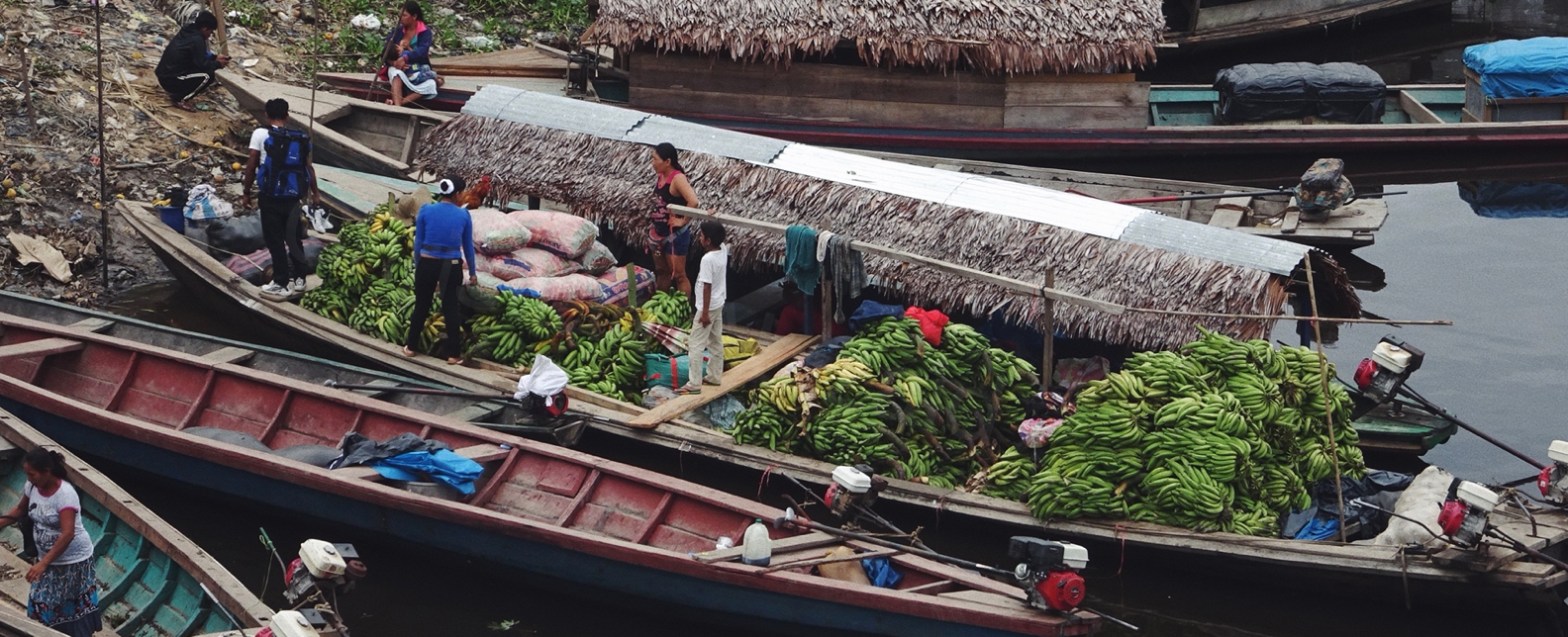
The Peruvian Amazon Rural Livelihoods and Poverty (PARLAP) Project is a large-scale interdisciplinary study of rural poverty among folk and indigenous peoples in western Amazonia. Rural people in Amazonia are typically poor and rely heavily on rain forest resources to make their living. Understanding poverty in biologically rich areas of the Amazon basin is important not only for informing conservation initiatives but also for social policy to improve the well-being of rain forest peoples.
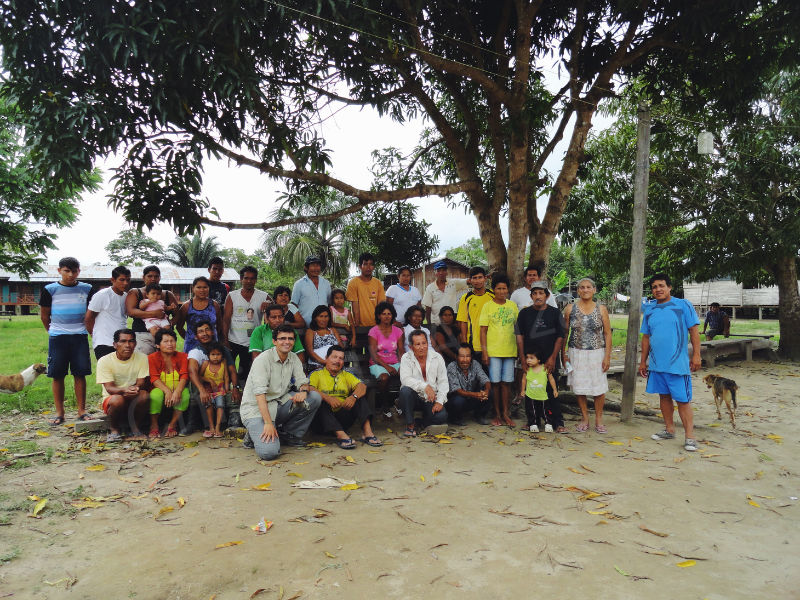
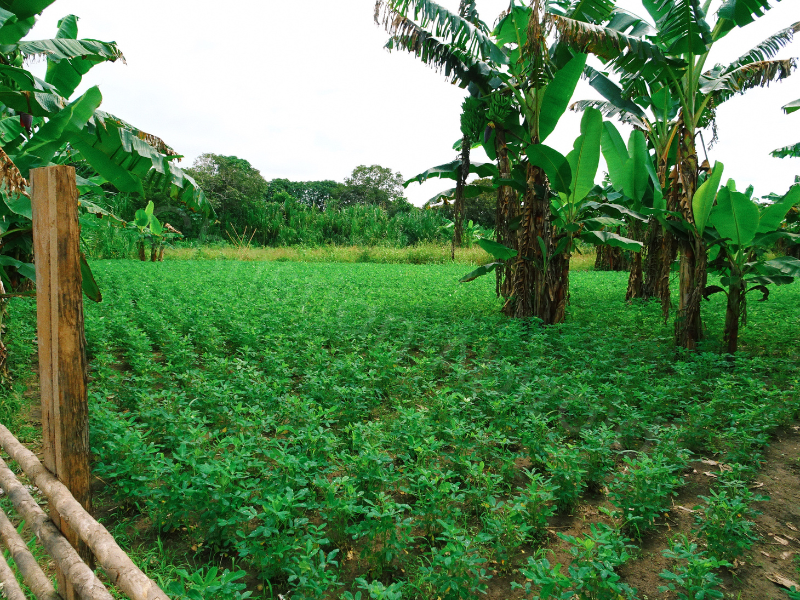
Building on our previous work in the region, my collaborators, Oliver T. Coomes (McGill University) and Yoshito Takasaki (University of Tokyo) launched the PARLAP Project. This multi-year study is based on the most extensive rural community and household survey as yet undertaken in Amazonia. Our study is centered along four major rivers of the Peruvian Amazon – the Amazon, Napo, Pastaza and Ucayali – an area of approximately 120,000 km2 (about 2.3 times the area of Costa Rica) and reaching nearly 1000 communities and 4000 households. Data from community and household surveys is being complemented with information derived from remote sensing and GIS analyses of natural resource availability for analysis.
Concerned by the impacts of the COVID-19 pandemic, in 2020 we conducted telephone surveys with more than 400 communities to understand local experience with COVID-19 during the early stage of the pandemic. So far, we have published papers on a wide array of topics including indigenous and local environmental knowledge, natural resource depletion, flood vulnerability, smallholder agriculture and its impacts on forest cover, and COVID-19 contagion and protective measures.
 Christian Abizaid